
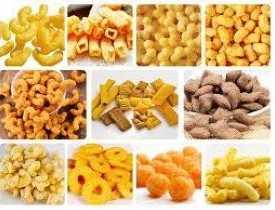
Description
Course Name: Certificate in Extruded Snack Technology
Course Id: CEST/Q1001.
Eligibility: 10th Grade(High School) or Equivalent.
Duration: One Month.
Objective: The course aims to provide learners with comprehensive knowledge of extruded snack technology, focusing on the production of nutritious and appealing snack products. It covers raw material selection, formulation, extrusion processing, flavoring, and finishing techniques.
🎓 How to Enroll and Get Certified in Your Chosen Course:
✔️ Step 1: Choose the course you wish to get certified in.
✔️ Step 2: Click on the “Enroll Now” button.
✔️ Step 3: Proceed with the enrollment process.
✔️ Step 4: Enter your billing details and continue to course fee payment.
✔️ Step 5: You will be redirected to the payment gateway. Pay the course and exam fee using one of the following methods:
Debit/Credit Card, Wallet, Paytm, Net Banking, UPI, or Google Pay.
✔️ Step 6: After successful payment, you will receive your study material login ID and password via email within 48 hours of fee payment.
✔️ Step 7: Once you complete the course, take the online examination.
✔️ Step 8: Upon passing the examination, you will receive:
• A soft copy (scanned) of your certificate via email within 7 days of examination.
• A hard copy (original with official seal and signature) sent to your address within 45 day of declaration of result.
✔️ Step 9: After certification, you will be offered job opportunities aligned with your area of interest.
Online Examination Detail:
Duration- 60 minutes.
No. of Questions- 30. (Multiple Choice Questions).
Maximum Marks- 100, Passing Marks- 40%.
There is no negative marking in this module.
| Marking System: | ||||||
| S.No. | No. of Questions | Marks Each Question | Total Marks | |||
| 1 | 10 | 5 | 50 | |||
| 2 | 5 | 4 | 20 | |||
| 3 | 5 | 3 | 15 | |||
| 4 | 5 | 2 | 10 | |||
| 5 | 5 | 1 | 5 | |||
| 30 | 100 | |||||
| How Students will be Graded: | ||||||
| S.No. | Marks | Grade | ||||
| 1 | 91-100 | O (Outstanding) | ||||
| 2 | 81-90 | A+ (Excellent) | ||||
| 3 | 71-80 | A (Very Good) | ||||
| 4 | 61-70 | B (Good) | ||||
| 5 | 51-60 | C (Average) | ||||
| 6 | 40-50 | P (Pass) | ||||
| 7 | 0-40 | F (Fail) | ||||
🌟 Key Benefits of Certification- Earning a professional certification not only validates your skills but also enhances your employability. Here are the major benefits you gain:
✅ Practical, Job-Ready Skills – Our certifications are designed to equip you with real-world, hands-on skills that match current industry demands — helping you become employment-ready from day one.
📜 Lifetime Validity – Your certification is valid for a lifetime — no renewals or expirations. It serves as a permanent proof of your skills and training.
🔍 Lifetime Certificate Verification – Employers and institutions can verify your certification anytime through a secure and reliable verification system — adding credibility to your qualifications.
🎯 Industry-Aligned Certification –All certifications are developed in consultation with industry experts to ensure that what you learn is current, relevant, and aligned with market needs.
💼 Preferred by Employers – Candidates from ISO-certified institutes are often prioritized by recruiters due to their exposure to standardized, high-quality training.
🤝 Free Job Assistance Based on Your Career Interests – Receive personalized job assistance and career guidance in your preferred domain, helping you land the right role faster.
Syllabus
Introduction to Extruded Snacks Industry: Overview of the extruded snack market, Evolution of extrusion technology in snack production, Types of extruded snacks (corn, rice, potato, multigrain), Nutritional aspects of extruded snacks, Global and Indian market trends, Health-conscious consumer trends, Role of extrusion in convenience foods, Extrusion technology as a value-added process, Competitive landscape of the extruded snack industry, Scope and career opportunities in extruded snack production.
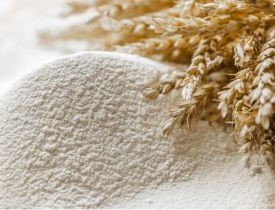
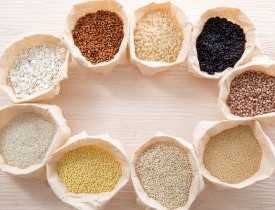
Raw Materials for Extruded Snacks: Types of raw materials used in extruded snacks (cornmeal, rice flour, wheat flour, pulses), Importance of starch and protein content, Use of grains, legumes, and vegetables in snacks, Role of fiber and fat in snack texture and flavor, Selection of seasonings and flavor additives, Use of binders and emulsifiers, Influence of moisture content on extrusion, Supply chain management for raw materials, Testing and quality control of raw materials, Sourcing and storing raw materials.
Extrusion Technology and Equipment: Overview of extrusion technology, Types of extruders used in snack production (single-screw, twin-screw), Working principle of an extruder (feed, extrusion, cooling), Role of pressure, temperature, and moisture in extrusion, Die design and shaping of snacks, Extrusion cooking vs traditional cooking methods, Control and adjustment of extrusion parameters, Energy efficiency in extrusion, Maintenance and calibration of extruding equipment, Safety protocols during extrusion process.
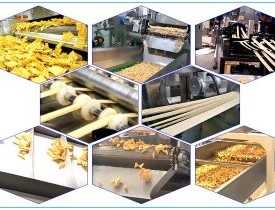
Extrusion Process and Snack Formation: Steps in the extrusion process (feeding, mixing, cooking, shaping, cutting), Impact of extrusion temperature and pressure on product texture, Control of snack shape, size, and thickness, Influence of screw speed and barrel configuration on snack quality, Impact of moisture content on expansion and crispiness, Use of flavoring agents during extrusion, Techniques for producing expanded and puffed snacks, Troubleshooting extrusion defects (over-expansion, under-expansion), Cooling and drying of extruded snacks, Importance of cooling for snack crispiness.
Flavoring and Seasoning of Extruded Snacks: Introduction to seasoning techniques (spray coating, dry seasoning, immersion), Types of seasoning used in snacks (cheese, spices, herbs, sweeteners), Methods for applying seasoning after extrusion, Dry seasoning vs liquid seasoning, Importance of seasoning for flavor and aroma, Role of salt and sugar in flavor profile, Use of oil-based vs water-based flavoring, Innovations in seasoning technology (microencapsulation, spray-drying), Seasoning uniformity and quality control, Packaging of flavored extruded snacks.
Quality Control and Testing of Extruded Snacks: Physical and sensory evaluation of extruded snacks (texture, taste, appearance), Testing for crispiness and crunchiness, Moisture content and water activity measurement, Testing for expansion and puffing quality, Microbial testing for food safety, Measurement of fat and oil content, Color and appearance testing, Shelf-life testing for flavor retention, Packaging and storage conditions for quality preservation, Compliance with food safety standards (FSSAI, HACCP).
After successful completion of the Certificate in Extruded Snack Technology program, graduates are equipped with knowledge and hands-on skills in the processing of extruded snacks such as chips, puffs, curls, noodles, and ready-to-eat cereals. The extruded snack industry in India is rapidly growing due to increased demand for packaged, convenient, and affordable food products.
✅ Career Options After Certificate in Extruded Snack Technology (India)
| Job Role | Job Description | Average Salary Range (per annum) |
|---|---|---|
| Extruder Machine Operator | Operates and maintains extruder machines for producing snacks from raw ingredients. | ₹1.8 – ₹3.5 LPA |
| Production Supervisor | Manages the day-to-day operations of snack production lines, ensuring efficiency and quality. | ₹3 – ₹5.5 LPA |
| Quality Control Technician | Tests texture, taste, moisture, and compliance of snack products with food safety standards. | ₹2.5 – ₹4.5 LPA |
| Packaging Supervisor | Ensures snacks are properly packed, sealed, and labeled as per market and safety norms. | ₹2 – ₹4 LPA |
| R&D Assistant (Product Development) | Assists in developing new extruded snack recipes, flavors, and fortifications. | ₹3 – ₹6 LPA |
| Sales & Marketing Executive (Snacks Sector) | Promotes and distributes extruded snacks to retail chains and wholesalers. | ₹2.5 – ₹5.5 LPA (plus incentives) |
| Food Technologist / Snack Developer | Innovates new products, enhances nutritional value, and improves shelf life. | ₹4 – ₹7 LPA |
| Entrepreneur – Extruded Snack Unit Owner | Starts and manages a snack production unit making namkeens, puffs, noodles, etc. | ₹5 – ₹20+ LPA (profit-dependent) |
🏭 Top Employers & Sectors
-
Packaged food manufacturers (like Haldiram’s, ITC, Balaji, Bikanervala)
-
Private-label snack brands and startups
-
Exporters of Indian snacks and extruded foods
-
Retail and e-commerce snack brands
-
Institutional food processors and caterers
📈 Career Growth Path
-
Machine Operator → Line Supervisor → Plant Manager
-
QC Technician → QA Manager → Regulatory Compliance Head
-
R&D Assistant → Product Innovation Manager → R&D Head
-
Sales Executive → Area Manager → National Sales Head
💼 Entrepreneurial Opportunities
Graduates can:
-
Start their own extruded snack processing units for products like soya sticks, puffed rice snacks, or masala rings
-
Build private snack brands for local retail or online platforms
-
Supply snacks to canteens, institutions, schools, and supermarkets
-
Enter contract manufacturing for other brands
💰 Earnings Potential for Entrepreneurs:
-
Small unit: ₹25,000 – ₹75,000/month profit
-
Medium/large unit: ₹6 – ₹25+ LPA depending on branding and distribution







Reviews
There are no reviews yet.