
Description
Course Name: Certificate in Snacks Processing
Course Id: CSP/Q1001.
Eligibility: 10th Grade(High School) or Equivalent.
Duration: One Month.
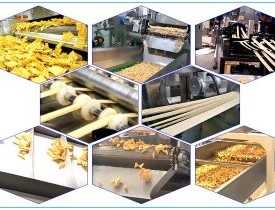
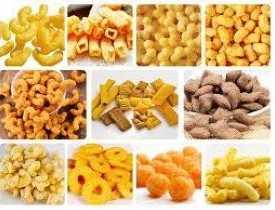
Objective: The course aims to provide learners with comprehensive knowledge of snacks processing, covering traditional and modern methods of preparing, preserving, and packaging snack products. It introduces raw material selection, processing techniques such as frying, baking, extrusion, and seasoning, along with hygiene and quality control measures.
🎓 How to Enroll and Get Certified in Your Chosen Course:
✔️ Step 1: Choose the course you wish to get certified in.
✔️ Step 2: Click on the “Enroll Now” button.
✔️ Step 3: Proceed with the enrollment process.
✔️ Step 4: Enter your billing details and continue to course fee payment.
✔️ Step 5: You will be redirected to the payment gateway. Pay the course and exam fee using one of the following methods:
Debit/Credit Card, Wallet, Paytm, Net Banking, UPI, or Google Pay.
✔️ Step 6: After successful payment, you will receive your study material login ID and password via email within 48 hours of fee payment.
✔️ Step 7: Once you complete the course, take the online examination.
✔️ Step 8: Upon passing the examination, you will receive:
• A soft copy (scanned) of your certificate via email within 7 days of examination.
• A hard copy (original with official seal and signature) sent to your address within 45 day of declaration of result.
✔️ Step 9: After certification, you will be offered job opportunities aligned with your area of interest.
Online Examination Detail:
Duration- 60 minutes.
No. of Questions- 30. (Multiple Choice Questions).
Maximum Marks- 100, Passing Marks- 40%.
There is no negative marking in this module.
| Marking System: | ||||||
| S.No. | No. of Questions | Marks Each Question | Total Marks | |||
| 1 | 10 | 5 | 50 | |||
| 2 | 5 | 4 | 20 | |||
| 3 | 5 | 3 | 15 | |||
| 4 | 5 | 2 | 10 | |||
| 5 | 5 | 1 | 5 | |||
| 30 | 100 | |||||
| How Students will be Graded: | ||||||
| S.No. | Marks | Grade | ||||
| 1 | 91-100 | O (Outstanding) | ||||
| 2 | 81-90 | A+ (Excellent) | ||||
| 3 | 71-80 | A (Very Good) | ||||
| 4 | 61-70 | B (Good) | ||||
| 5 | 51-60 | C (Average) | ||||
| 6 | 40-50 | P (Pass) | ||||
| 7 | 0-40 | F (Fail) | ||||
🌟 Key Benefits of Certification- Earning a professional certification not only validates your skills but also enhances your employability. Here are the major benefits you gain:
✅ Practical, Job-Ready Skills – Our certifications are designed to equip you with real-world, hands-on skills that match current industry demands — helping you become employment-ready from day one.
📜 Lifetime Validity – Your certification is valid for a lifetime — no renewals or expirations. It serves as a permanent proof of your skills and training.
🔍 Lifetime Certificate Verification – Employers and institutions can verify your certification anytime through a secure and reliable verification system — adding credibility to your qualifications.
🎯 Industry-Aligned Certification –All certifications are developed in consultation with industry experts to ensure that what you learn is current, relevant, and aligned with market needs.
💼 Preferred by Employers – Candidates from ISO-certified institutes are often prioritized by recruiters due to their exposure to standardized, high-quality training.
🤝 Free Job Assistance Based on Your Career Interests – Receive personalized job assistance and career guidance in your preferred domain, helping you land the right role faster.
Syllabus
Introduction to Snacks Processing: Overview of the snacks industry, Classification of snacks (fried, baked, extruded, traditional), Market trends and consumer preferences, Importance of hygiene and safety in snack production, Nutritional aspects of snack foods, Key ingredients used in snacks, Introduction to processing technologies, Role of snacks in food culture and lifestyle, Shelf-life and packaging requirements, Regulatory compliance in snack manufacturing.
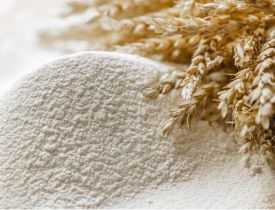
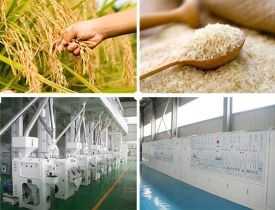
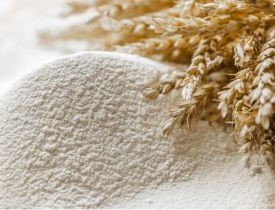
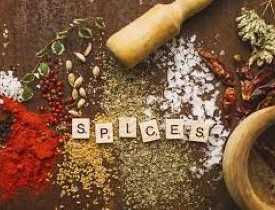
Raw Materials and Ingredients: Types of grains and flours used (wheat, rice, corn, millet), Selection and sourcing of raw materials, Pulses, vegetables, and fruit-based ingredients, Oils and fats used in frying and flavor delivery, Additives and preservatives for shelf-life extension, Spices, seasonings, and flavor enhancers, Water quality and usage in processing, Nutritional enrichment ingredients (fortified flours, fibers), Quality control of incoming materials, Storage and handling of raw ingredients.
Processing Techniques for Different Snack Types: Frying technology (deep frying, hot air frying), Baking methods for healthier snacks, Extrusion process for puffed and shaped snacks, Roasting and puffing techniques, Coating and flavoring methods, Mixing and dough preparation, Cutting, shaping, and molding techniques, Cooling and drying processes, Use of automation in snack processing, Troubleshooting common processing problems.
Traditional and Regional Snacks: Overview of Indian traditional snacks (namkeen, sev, chakli, etc.), Ingredients used in ethnic snacks, Manual vs mechanized preparation, Regional variations in preparation techniques, Preservation and packaging of traditional snacks, Festive and seasonal snack varieties, Shelf-stable vs fresh traditional snacks, Marketing of traditional and heritage foods, Fusion snacks combining modern and traditional tastes, Nutritional value and consumer perception.
Quality Assurance and Food Safety: Food safety standards (FSSAI, HACCP), Good Manufacturing Practices (GMP), Hygiene and sanitation practices in snack units, Detection of spoilage and contaminants, Allergen management and labeling, Batch coding and traceability, Sensory evaluation and testing, Packaging material safety and compatibility, Documentation and record-keeping for quality, Inspection and audits by regulatory bodies.
Packaging and Shelf-life Enhancement: Types of packaging for snacks (pouches, jars, boxes), Modified atmosphere packaging (MAP), Vacuum and nitrogen flushing techniques, Material selection (metalized films, paper-based), Labeling requirements and branding, Designing for consumer appeal, Storage conditions and logistics, Preventing rancidity and spoilage, Innovations in sustainable packaging, Testing for shelf-life and product stability.
After successful completion of the Certificate in Snacks Processing program, graduates gain practical knowledge in food processing techniques, snack formulation, packaging, quality control, and hygiene standards specifically focused on snack foods like chips, namkeen, extruded snacks, and baked products. Given India’s booming packaged snacks market driven by changing lifestyles and increasing demand, this certification opens many career and entrepreneurial avenues.
✅ Career Options After Certificate in Snacks Processing (India)
| Job Role | Job Description | Average Salary Range (per annum) |
|---|---|---|
| Snacks Production Operator | Operates machinery for frying, baking, extruding, or roasting snacks, monitors quality. | ₹1.8 – ₹3.5 LPA |
| Quality Control Analyst | Conducts quality and safety checks on raw materials and finished snack products. | ₹2 – ₹4 LPA |
| Packaging Supervisor | Manages packaging processes, ensures labeling and food safety compliance. | ₹2 – ₹4 LPA |
| Food Safety & Hygiene Officer | Implements hygiene standards (FSSAI, HACCP), monitors food safety practices in production units. | ₹3 – ₹6 LPA |
| Production Supervisor | Oversees production teams, schedules, and process optimization in snack manufacturing units. | ₹3 – ₹6 LPA |
| Sales & Marketing Executive | Promotes and sells snack products to distributors, retailers, and supermarkets. | ₹2.5 – ₹5 LPA (plus incentives) |
| Research & Development Assistant | Assists in product development, flavoring, and packaging innovation for snacks. | ₹3 – ₹6 LPA |
| Entrepreneur – Snacks Manufacturing Unit Owner | Starts and manages small or medium-scale snack processing and packaging business. | ₹4 – ₹15+ LPA (profit-dependent) |
| Inventory & Supply Chain Coordinator | Manages procurement of raw materials and finished product inventory. | ₹2 – ₹4.5 LPA |
🏭 Top Employers & Sectors
-
Packaged Snack Manufacturers: Haldiram’s, Balaji Wafers, PepsiCo India (Lay’s), ITC Foods
-
Small & Medium Snack Processing Units
-
Local & Regional Snacks Brands catering to niche markets
-
Food Retail Chains & Supermarkets
-
Exporters of Indian Snacks
📈 Career Growth Path
-
Operator → Production Supervisor → Plant Manager
-
QC Analyst → Quality Manager → Food Safety Officer
-
Sales Executive → Sales Manager → Marketing Head
-
R&D Assistant → Product Developer → Innovation Manager
💼 Entrepreneurial Opportunities
Graduates can:
-
Start small-scale snack manufacturing units producing namkeen, chips, or baked snacks
-
Develop specialty or health-oriented snacks (e.g., gluten-free, baked, low-fat)
-
Create local flavor variants targeting regional markets
-
Sell products through retail outlets, online marketplaces, and exports
💰 Earnings Potential for Entrepreneurs:
-
Small unit: ₹20,000 – ₹70,000/month profit
-
Medium unit: ₹5 – ₹15+ LPA depending on capacity and market reach




Reviews
There are no reviews yet.